Disinfection and disinfestation systems for library, archival and museum collections – disinfection chambers, ecological fumigation devices, dry mist generators and traps for insects that destroy paper and parchment. Protecting collections from biological hazards is the foundation of long-term conservation – moulds, bacteria and insects (silverfish, booklice, moths) can irreversibly destroy documents that have survived for hundreds of years in a short time.

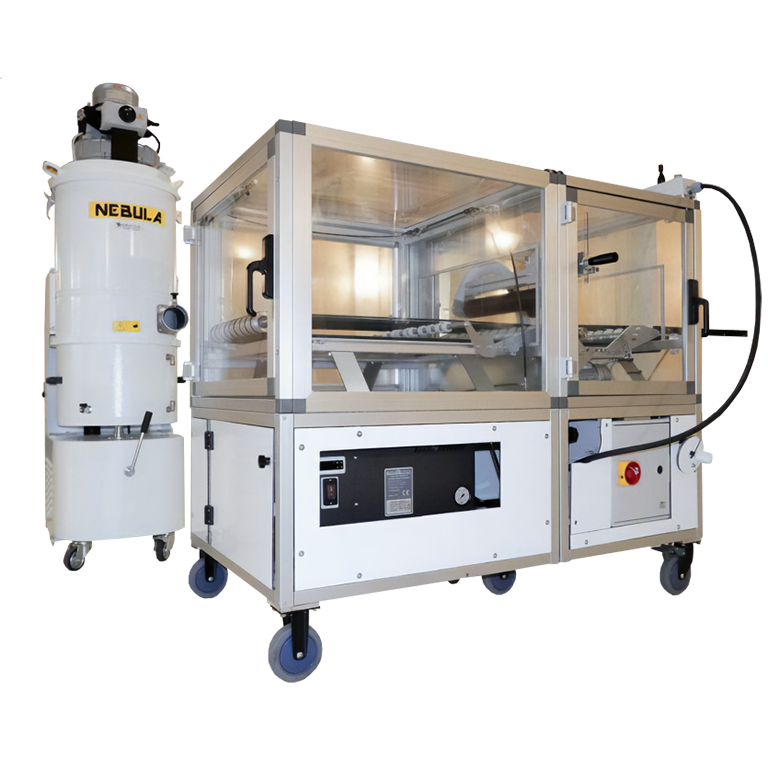


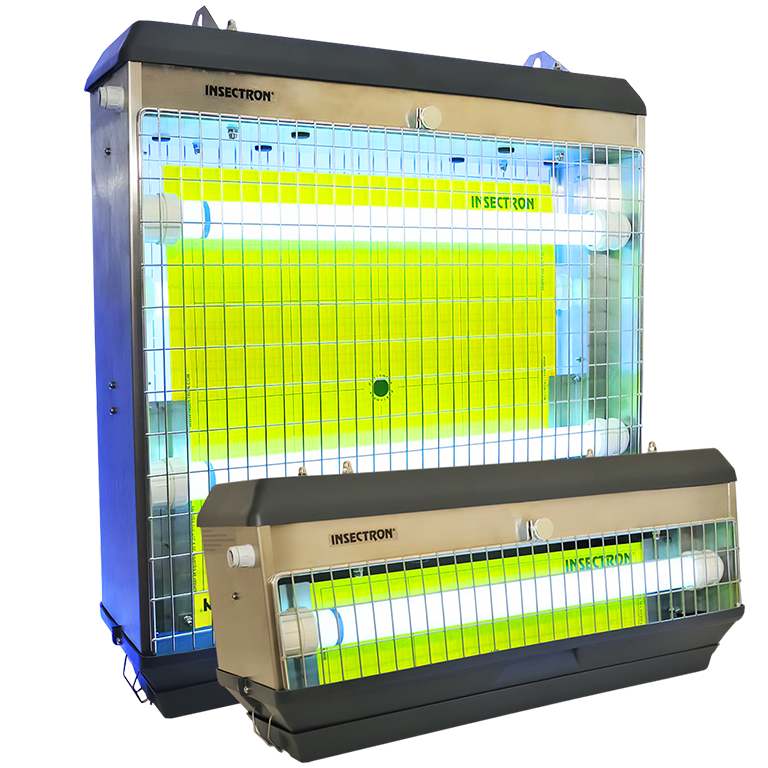
Paper and parchment collections are a natural environment for biological organisms – of moulds, cellulolytic bacteria and insects (silverfish, booklice, clothes moths). A single infected object introduced into a storage facility can cause the contamination of the entire collection. Cultural institutions use prophylactic disinfection with every new acquisition, after flooding, and also as part of regular collection inspections.
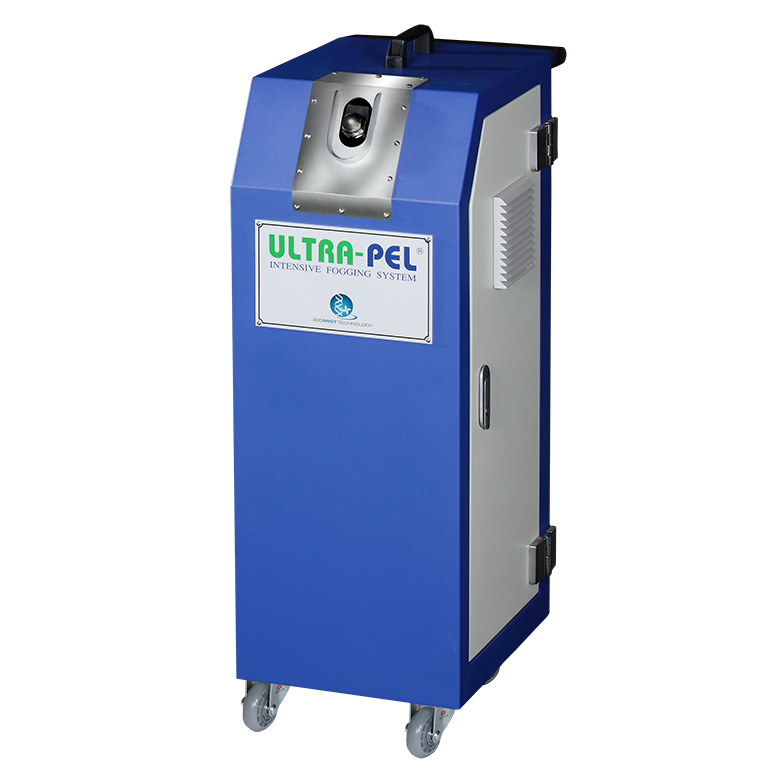
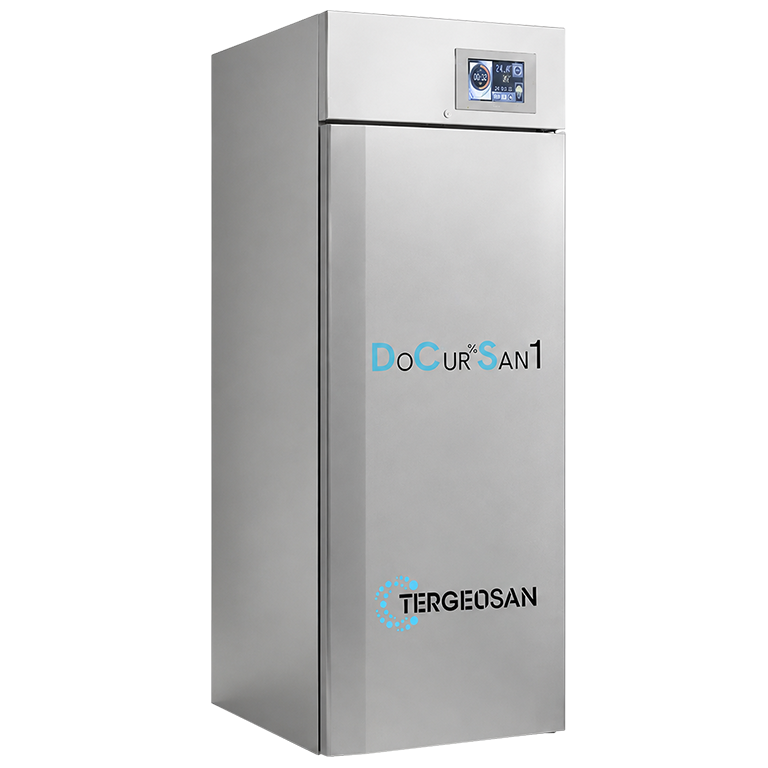
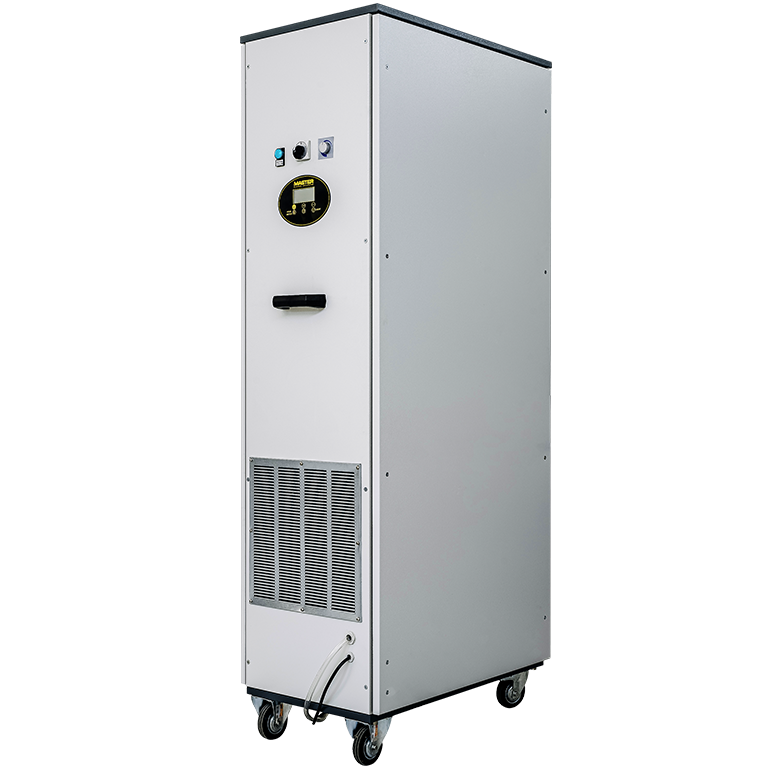
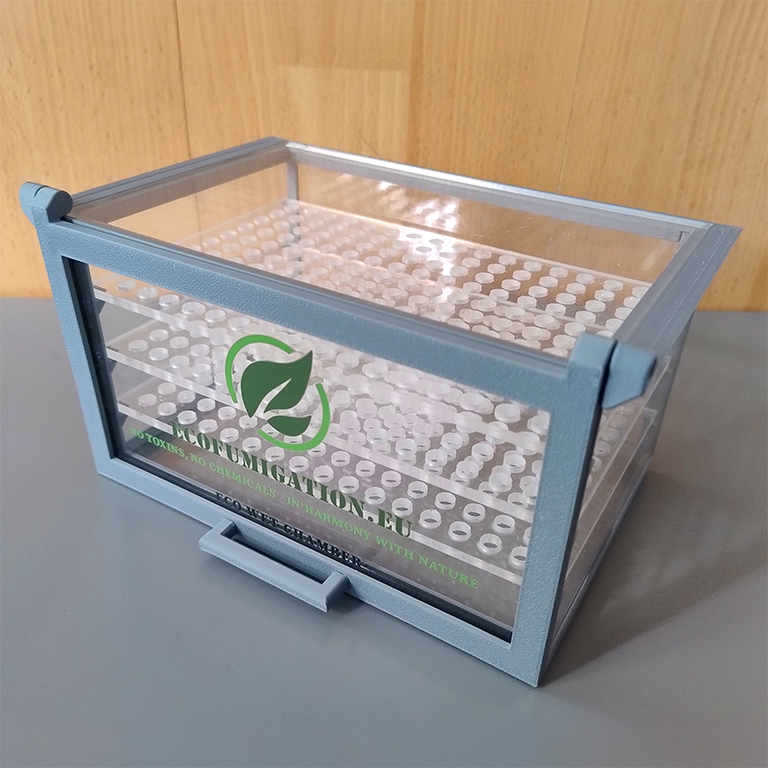
The category includes several device groups. Disinfection chambers allow for the safe disinfection of a larger number of objects at the same time. – in a closed cycle, without staff coming into contact with chemicals. Ecological fumigation systems utilise biodegradable substances that are safe for workers, eliminating fungi and insects without damaging the medium. Dry fog generators enable the disinfection of large storage rooms. Insect traps are used to monitor entomological threats – their regular inspection allows the early detection of pests before damage to the crops occurs.
Modern collection disinfection systems are designed with two priorities in mind: effectiveness against biological hazards and safety regarding materials and personnel. The methods used leave no toxic residues on the objects, do not alter the properties of the paper or ink, and do not require lengthy aeration after treatment. This is a significant change compared to former fumigation methods, which were effective but often hazardous to the health of the operators.


