Conservation sponges and paper cleaning rubbers – dry cleaning tools for documents, old prints, engravings, maps and book covers. Soft vulcanised sponges remove dust and soot without the risk of scratching the surface, while precision erasers eliminate pencil marks, adhesive residue and surface dirt from delicate substrates.
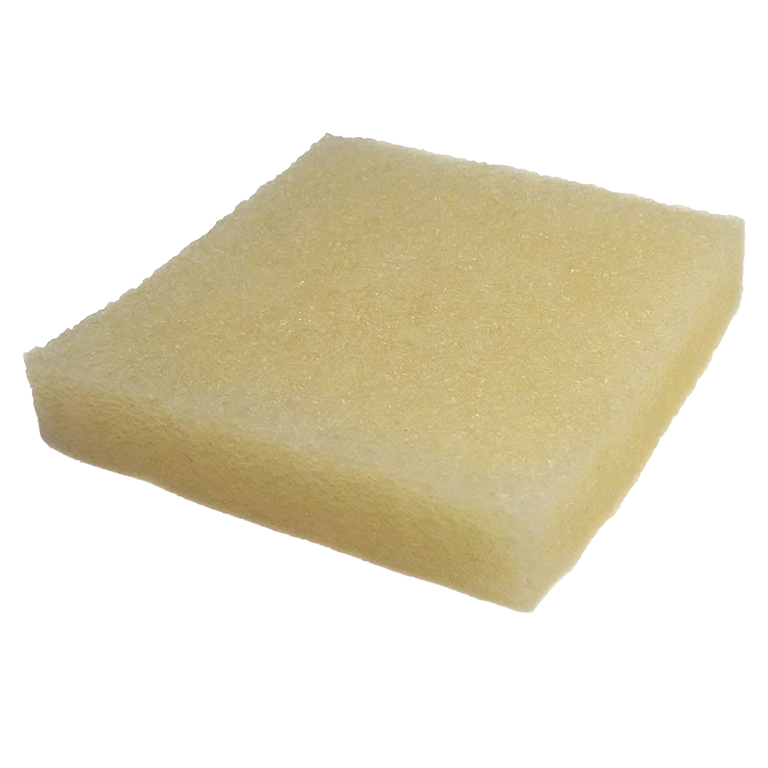


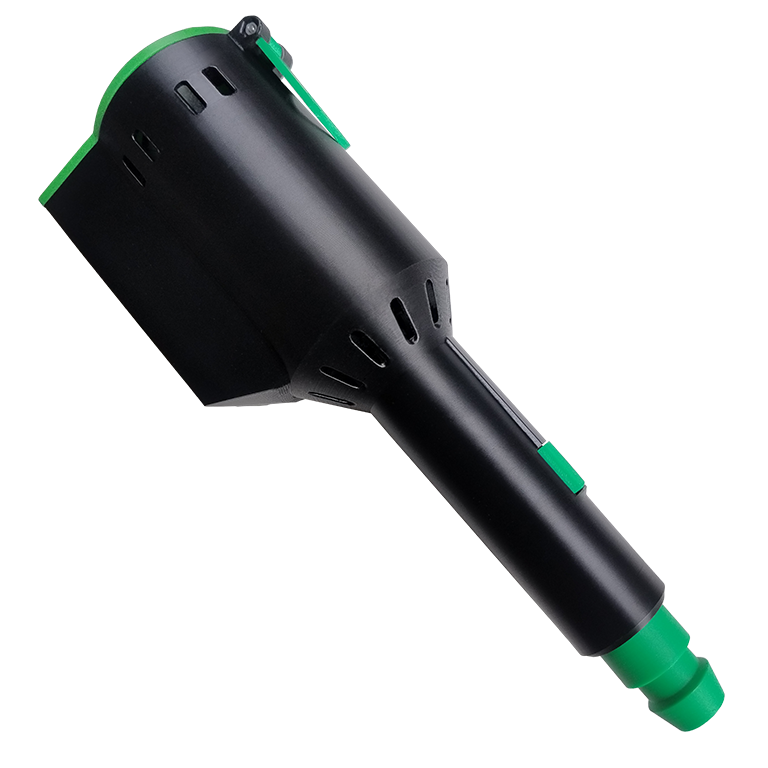
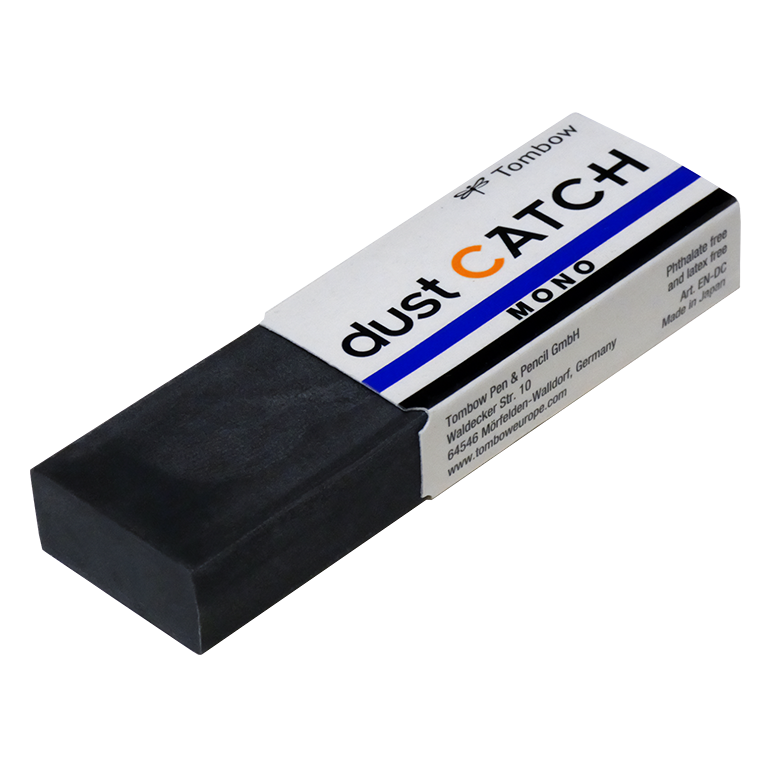


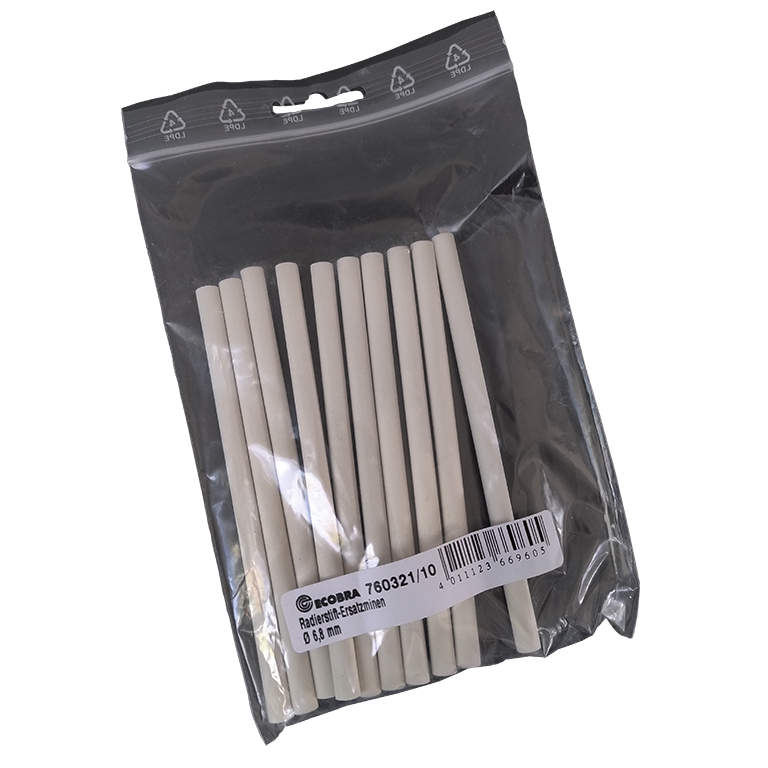
Dry cleaning is the safest and most commonly used method for removing dirt from paper surfaces. Vulcanised sponges (also known as soot sponges) work on the principle of micro-adhesion – slid across the surface of the document, they collect particles of dust, soot and atmospheric pollutants without the use of water or solvents. Conservation erasers work more precisely – they remove local dirt, pencil marks, adhesive tape residue and grease stains from paper and parchment surfaces.
Vulcanised sponges are a versatile tool for cleaning larger surfaces – pages, covers and dust jackets. Cleaning pads filled with powdered latex act like a delicate eraser over a large surface – the powder is scattered on the paper and rubbed with the pad to absorb impurities. Precision erasers in the shape of a pen or block allow for the clean removal of a spot of dirt without affecting the surrounding print. Electric eraser refills ensure constant, even pressure, which minimises the risk of damaging the paper.
Dry cleaning with sponges and erasers is the first step of almost every conservation process. It is applied before any wet treatment (stain removal, deacidification) to remove loose contamination that, upon contact with water, could penetrate deeper into the paper structure. Dry cleaning is also an independent maintenance treatment – regular wiping of books with a sponge significantly extends the lifespan of collections and reduces the risk of microorganism growth.


