Have you found a childhood fairy tale in a beautiful, though damaged, binding in the attic? Or perhaps you collect antique rarities, or simply want to save valuable family heirlooms from oblivion? Regardless of what your home library hides, it's worth knowing how to properly store old books so that they bring joy for decades to come.
Although major museums and archives use advanced technologies to protect their collections, you too can ensure your books and documents have „longevity” at home. In this guide, we will translate expert conservation knowledge into practical, everyday tips, debunk some popular myths, and show you how to easily protect your home archive.
The two greatest threats to paper and leather are extreme temperatures and incorrect humidity. Air that is too warm and dry will cause paper to become brittle, and leather bindings will begin to crack. Conversely, in a damp and cool place, mould will quickly appear.
In a home setting, the best approach is a golden mean, avoiding drastic changes. What does this mean in practice?
Sometimes on old book pages you can notice characteristic, rusty-brown spots. This phenomenon is called foxing. It arises as a result of moisture and impurities oxidising in old paper. In turn, the leather covers of books from the 19th century can, over time, stain hands rusty and crumble into fine dust (this is called. dry rot, which is red rot of the leather, resulting from old tanning techniques).
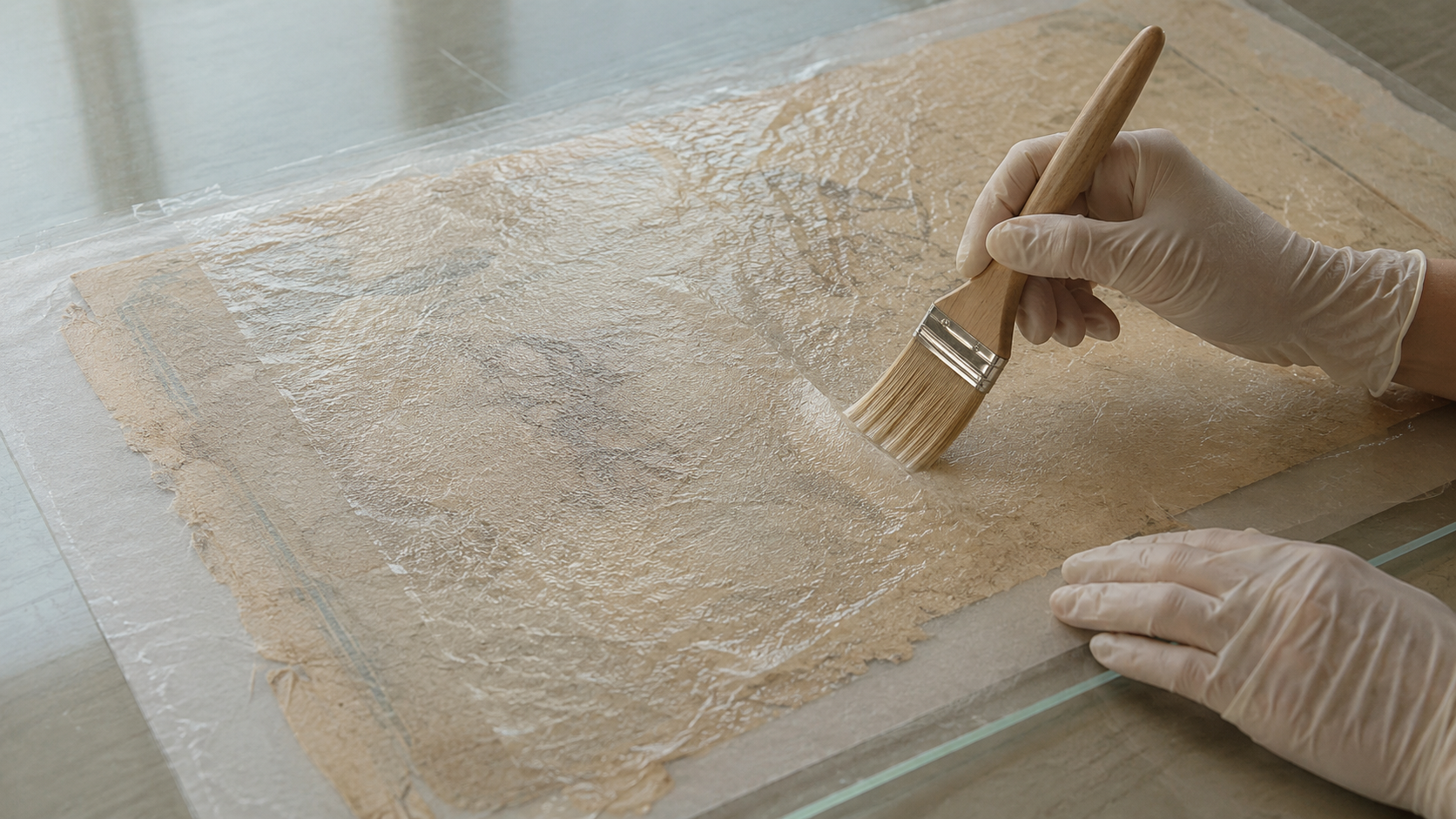
First and foremost, move the book to a drier location. It's also worth considering delicately halting chemical decay – professional help will be useful here Paper deacidification materials, which neutralise damaging acids and prolong the life of delicate pages.
The sun is paper's silent enemy. UV radiation causes colourful spines to fade quickly, and the paper itself yellows and becomes brittle. Try to position your bookshelf so that harsh, direct sunlight doesn't fall on it. It's worth keeping your most valuable specimens in a shaded spot.
Also pay attention to insects. The most destructive for home libraries is a tiny insect called the deathwatch beetle (a popular bookworm). It thrives where it is warm and humid, feeding on old bookbinding glue, among other things. The best prevention is simply ensuring that the room is not stuffy or damp.
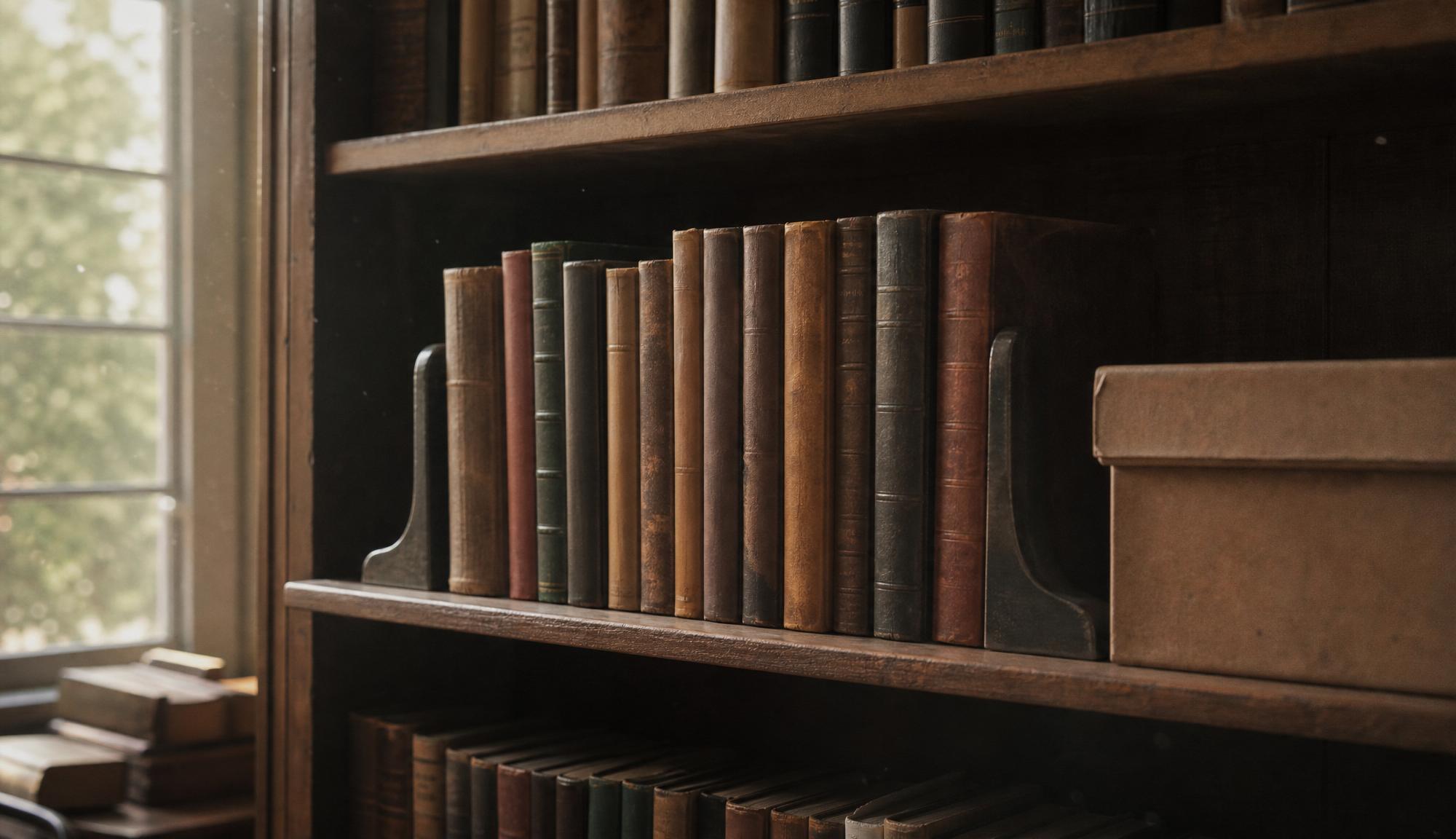
Although arranging books „on the slant” or creating artistic stacks from them looks great in interior design catalogue photos, from a conservation perspective, it's a death sentence for old volumes. Books like discipline:
You'll certainly recall scenes from films where researchers reverently examine old books while wearing cotton gloves. In accordance with the guidelines of major institutions (such as The British Library), cotton gloves do more harm than good. The fabric causes us to lose precise feeling in our fingers, making it much easier to accidentally tear the fragile pages. Furthermore, cotton collects dust and dirt from covers excellently, ruthlessly rubbing it into the clean interior of the book.
The best and safest tool is simply Clean and dry hands. Just wash your hands with soap and dry them thoroughly (without using hand cream!). The only exception is when the book is heavily mouldy – in that case, for your own health, it's advisable to wear disposable nitrile gloves.
If you have real gems in your collection, old letters from your great-grandparents, or damaged books waiting for restoration, ensure their physical protection.
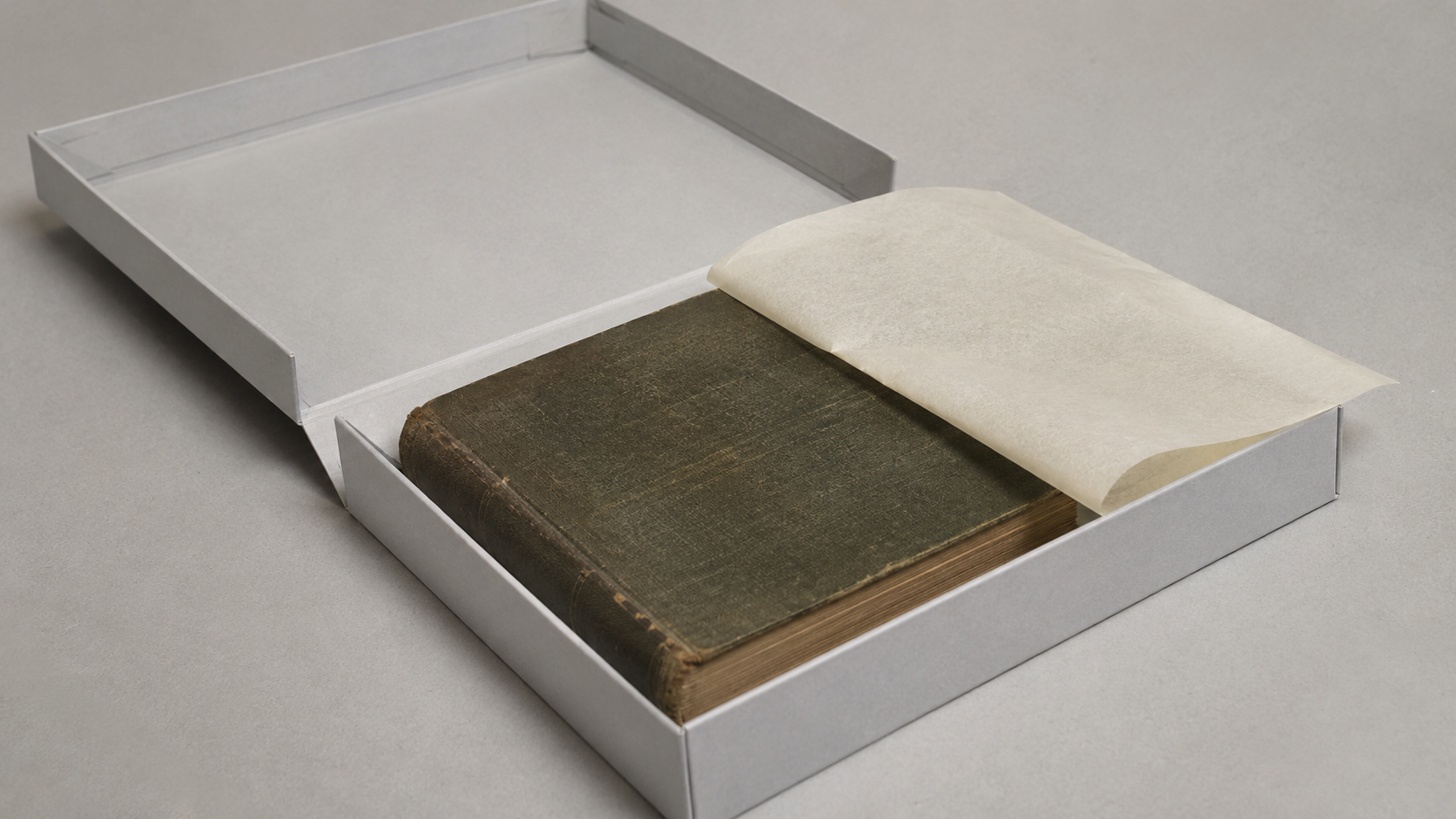
A common mistake is storing such treasures in ordinary, grey shoeboxes or packets. This cardboard is full of acids, which over time will „transfer” to your book, accelerating its yellowing and decay. The solution is specialised packaging from the category storage and archiving. Boxes, slipcases and folders made from certified acid-free board (we particularly recommend products from the renowned KLUG brand) will create a safe microclimate around the book, protecting it from dust, light and acids from the environment.
What's worth having on hand to look after your collections like a professional?